

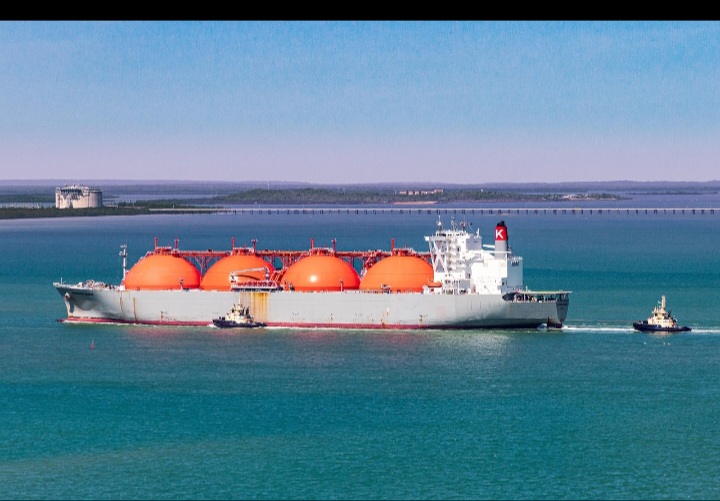
As the European Union moves to formally ban Russian LNG imports from 2026 and pipeline gas from 2027, African gas producers are being handed a rare strategic opening. Industry leaders argue the continent is uniquely positioned to step into that supply gap — but the real opportunity, they say, lies in how the contracts get structured, not just in exporting more gas.
NJ Ayuk, Executive Chairman of the African Energy Chamber, has been pushing producers to modernize their agreements so that rising global demand also benefits African economies directly — powering homes, supporting industrialization, and creating local jobs — rather than simply repeating older extraction-focused export models. The topic is expected to be a central theme at African Energy Week 2026, where policymakers, producers, and financiers will discuss how Africa can position itself as a preferred global energy supplier while still meeting its own development needs.
The stakes are significant: more than 600 million people across Africa still lack access to electricity, and by 2050 the continent’s gas demand is projected to rise by 60%. One approach gaining traction is building “domestic market obligations” directly into LNG project contracts, ensuring a share of production is reserved for local use even as exports to Europe and elsewhere increase.