

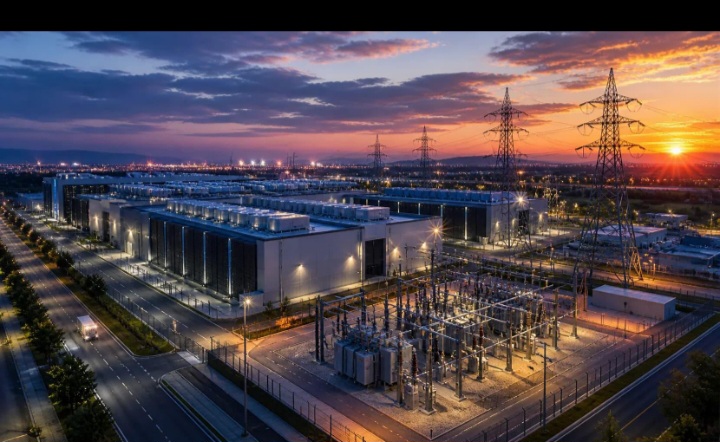
The rapid expansion of artificial intelligence is increasing pressure on electricity infrastructure, with grid availability emerging as an increasingly important consideration for data-centre developers.
The International Energy Agency has warned that grid constraints could delay around 20% of global data-centre capacity planned for construction by 2030 if connection challenges are not addressed.
Data centres require large and continuous supplies of electricity, while new transmission and distribution infrastructure can take years to plan, permit and construct.The growing demand is also putting pressure on the supply chains for critical power equipment, including transformers and other grid components.
The IEA notes that the expansion of AI infrastructure is increasing demand for equipment and materials used across both data centres and energy systems.This is encouraging developers and energy companies to explore alternative approaches, including locating data centres in areas with available power capacity, improving grid utilisation and developing dedicated or onsite generation.
Artificial intelligence is therefore becoming more than a technology-sector issue. Its expansion is increasingly influencing electricity generation, transmission, grid planning, energy security and infrastructure investment.As countries compete to attract AI investment, access to reliable power could become one of the most important factors determining where the next generation of data centres is built.
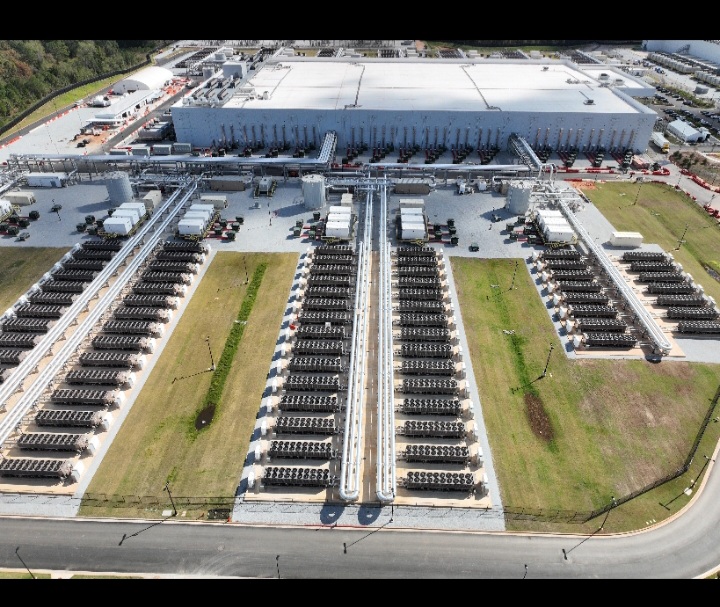
Access to reliable electricity is emerging as a critical factor in the development of new AI data centres.