


Oil prices eased on Tuesday as markets responded to stronger Middle Eastern crude exports and the G7’s decision to release 100 million barrels from strategic reserves.
Brent crude fell around 0.8% to approximately $99.49 per barrel, while US West Texas Intermediate declined about 1.1% to $88.43 per barrel.
The move comes amid continuing security concerns in the Middle East, including risks affecting shipping routes around the Strait of Hormuz. However, crude exports from Gulf producers excluding Iran recovered to more than 81% of pre-war levels in September, supported by production from Saudi Arabia and Kuwait.
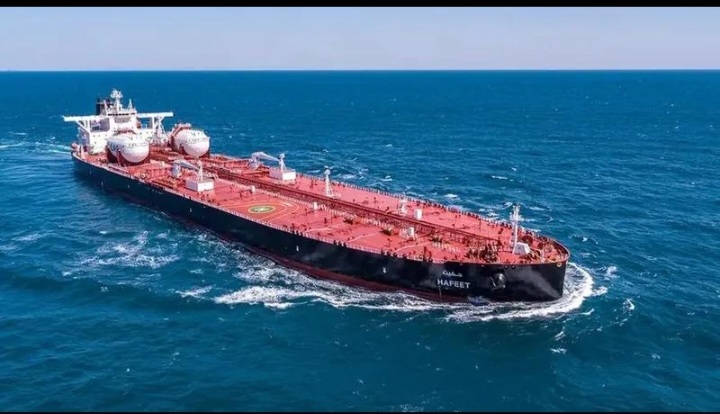
The Strait of Hormuz remains a critical chokepoint for global energy supplies.
The G7’s planned release of strategic oil reserves is intended to strengthen market supply and reduce pressure on global energy prices.
Despite the easing in prices, energy markets remain sensitive to developments in the region. Disruptions around major shipping routes or production facilities could quickly alter supply expectations.
For power producers, industrial consumers and energy-intensive industries, the situation highlights the continued importance of fuel diversification and resilient energy supply chains.
The developments are also likely to keep LNG, natural gas and alternative power-generation strategies under close watch as governments and businesses assess exposure to geopolitical energy shocks.