

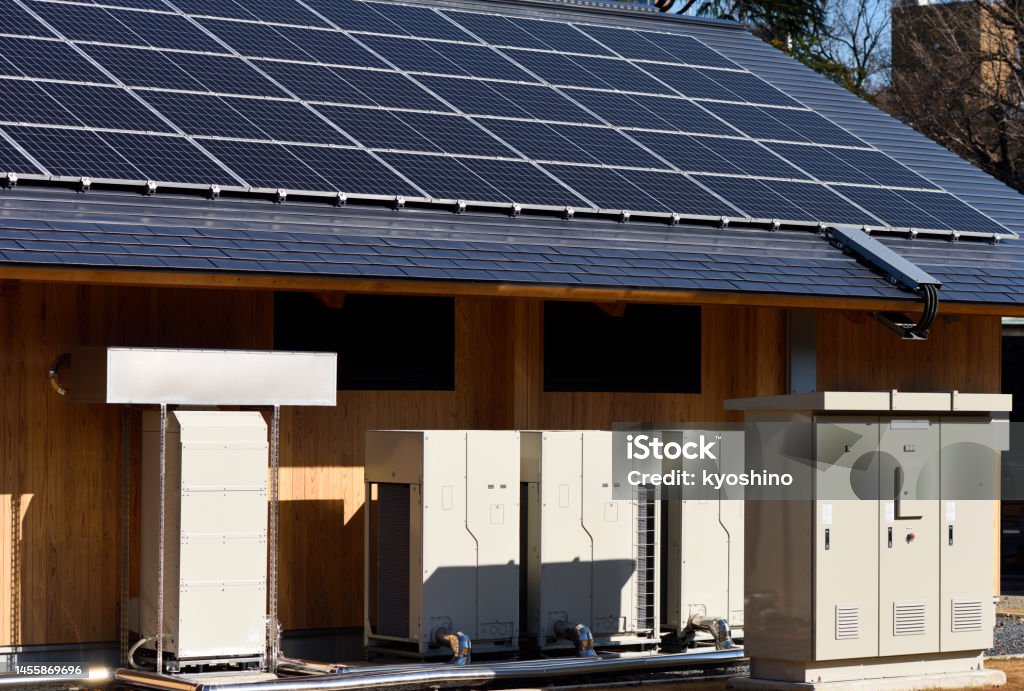
The rapid expansion of artificial intelligence infrastructure is increasingly placing electricity supply, grid capacity and physical infrastructure at the centre of the global data-centre investment discussion.
In the United States, the scale of proposed data-centre development is prompting authorities to reassess how rapidly new facilities can connect to electricity networks. Texas has temporarily halted new state-issued environmental permits for data centres while regulators conduct an audit examining their impact on the state’s power system.The development comes as the AI boom drives demand for large-scale computing infrastructure. Texas has attracted significant data-centre investment because of its land availability, energy resources and business environment, but the speed of proposed development has also increased scrutiny of electricity consumption, water use and infrastructure costs.The issue extends beyond the United States. California has introduced a package of measures requiring greater oversight of data-centre developments, including provisions concerning electricity costs, water use and local government involvement.
Europe is also moving toward greater transparency. The European Commission has proposed requirements for data centres with capacity of at least 500 kW to disclose information relating to energy and water efficiency. The EU is simultaneously planning substantial expansion of data-centre capacity as it seeks to strengthen its AI ecosystem.For developers and investors, the trend highlights a fundamental shift in the economics of AI infrastructure: access to reliable power, cooling, water, connectivity and suitable sites is becoming as important as computing hardware itself.
As AI workloads continue to expand, integrated approaches combining power generation, cooling and computing infrastructure are likely to become increasingly important to the development of large-scale AI facilities.