

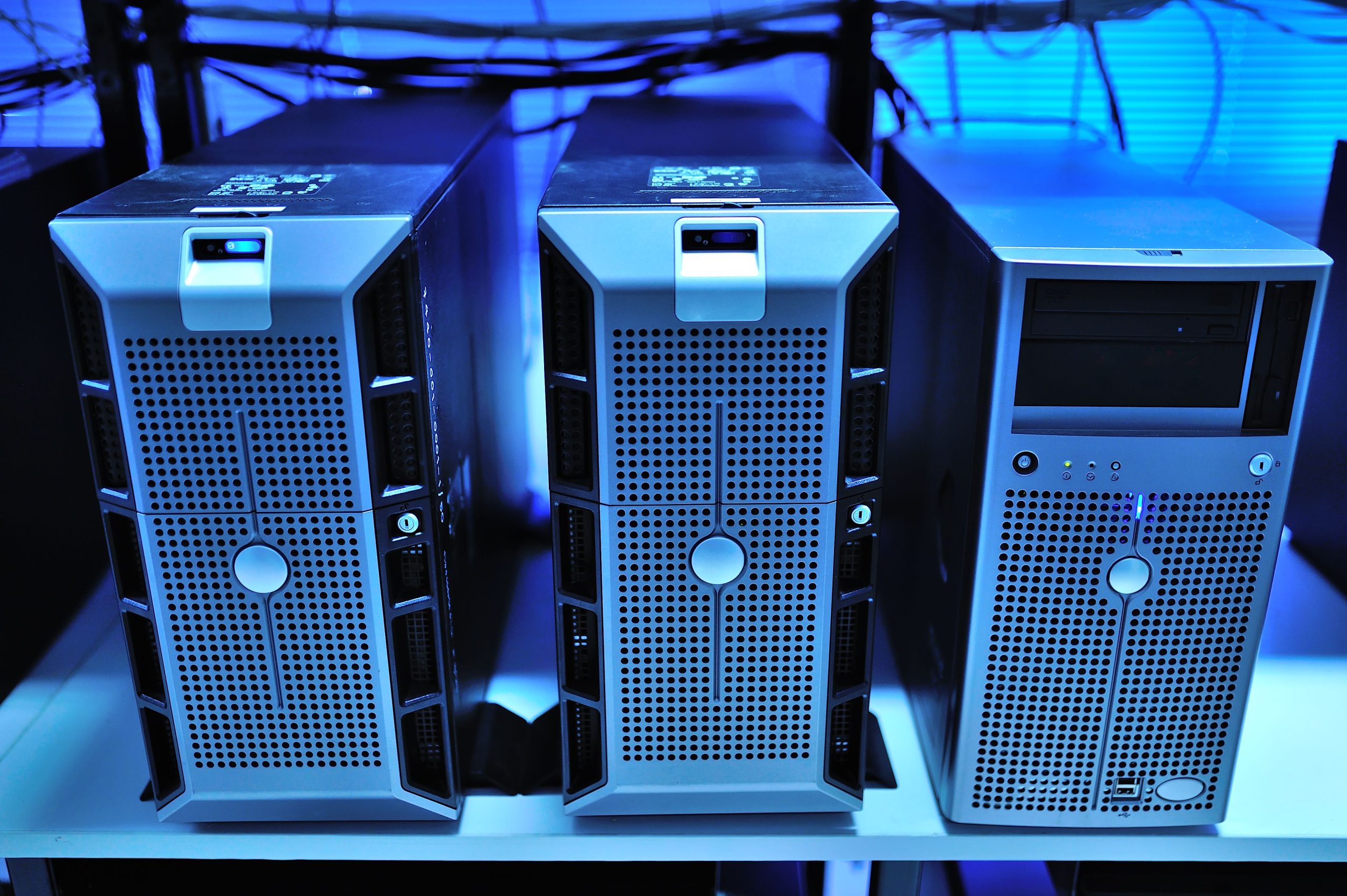
Counting buildings makes Africa look like a serious player in the data centre race. Counting power tells a very different story. The IMF counts about 160 data centres on the continent, roughly 5.5% of the global total by facility count, yet Africa holds only around 0.6% of global capacity, somewhere near 360 megawatts, while being home to about 18% of the world’s people.
That gap is why analysts now measure facilities in megawatts rather than square metres: power capacity is what determines how much computing a site can actually deliver. More than 500MW of capacity is operating across the continent today, with another 890MW in the development pipeline. South Africa still accounts for over 60% of operating capacity, and Johannesburg’s Teraco Isando campus, at 70MW, is the largest operational facility. Nigeria’s Ikeja campus ranks fourth at 36MW, and Lagos is expected to grow from about 79MW today to more than 218MW by 2030.
The bottleneck is electricity, not construction. Roughly 600 million people in sub-Saharan Africa still lack power, and the IMF’s AI readiness ranking puts the region last, naming power shortages as a primary constraint. That is why so many operators are now building their own solar plants rather than waiting on the grid, and why this week’s $300 million distributed renewable energy fund for Nigeria is being watched as much by the tech sector as by the energy sector.